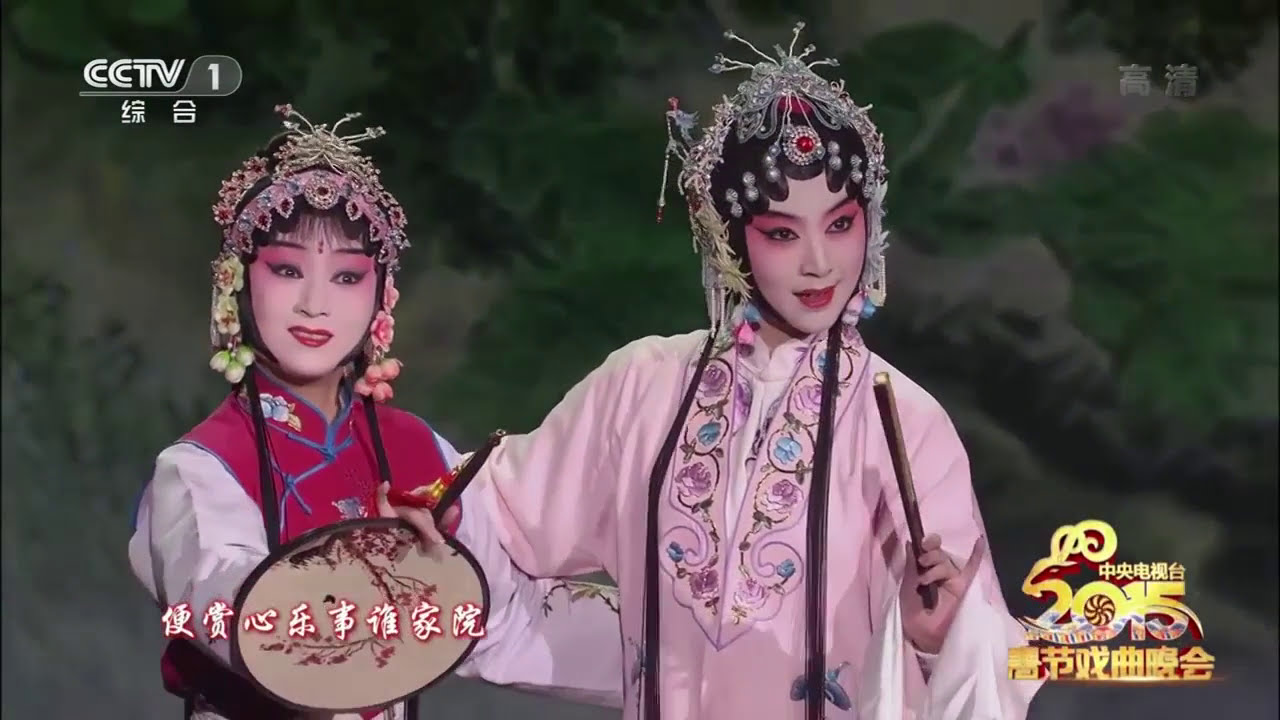
If Peking Opera is the loud, energetic blockbuster of Chinese theater, Kunqu (昆曲) is its poetic, independent arthouse film. Dating back over 600 years to the Ming Dynasty, it is known as the “mother of all Chinese operas” and is celebrated for its soft vocals and highly refined, graceful movements.
This clip features a scene from The Peony Pavilion (牡丹亭), the crowning masterpiece of Kunqu, written by Tang Xianzu (often called the Shakespeare of China) in 1598. It tells a surreal, transcendental love story where a young noblewoman dies of a broken heart for a lover she only met in a dream, only to be resurrected by the sheer power of true love.
🪈 What to Listen & Watch For:
- The Bamboo Flute (Dizi): Unlike Peking Opera, which is driven by sharp string instruments and loud percussion, Kunqu is traditionally accompanied by the soft, breathy tones of a bamboo flute, giving it a dreamlike quality.
- Choreographed Poetry: Notice how the performers never just “walk.” Every single movement—how they hold a fan, point a finger, or take a step—is strictly choreographed to match the rhythm of the music and the syllables of the poetry.